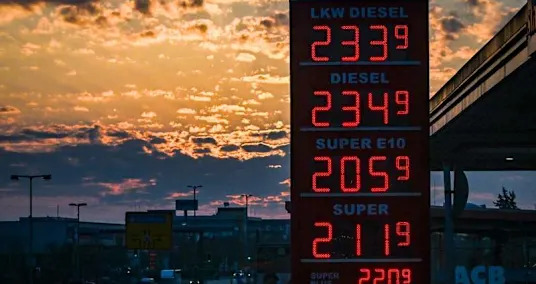
The US-Israeli war on Iran has rattled energy markets, with many countries taking measures to conserve fuel.
Amid this, a March 2026 study by Energy World Mag examined 75 countries across seven factors to determine which nations would struggle most during global energy disruptions.
The study scored each country on a 0-100 scale, with higher scores indicating greater risk if energy supplies are disrupted. The factors included fossil fuel dependency, energy self-sufficiency, reliance on fuel imports, and more.
Singapore Leads Energy Vulnerability Ranking
Singapore topped the list. The city-state earned the highest vulnerability score of 85.2. Nearly 98% of its energy comes from fossil fuels.
Moreover, Singapore imports 100% of its natural gas. Its energy imports exceed domestic production by 243%.
Turkmenistan placed second with a score of 80.7. The country derives 100% of its power from fossil fuels, with zero alternative capacity. Average incomes of roughly $9,000 also limit the population's ability to absorb price spikes.
Follow us on X to get the latest news as it happens

Hong Kong followed at 80.2. The city imports 176% more energy than it produces and relies on overseas sources for all of its natural gas.
Morocco (74.6) and Belarus (74.2) round out the top five, both importing the vast majority of their energy. At the same time, low average incomes ($4,000 and $8,000, respectively) leave their populations with limited capacity to handle price shocks.
An energy market analyst from World Energy Mag warned that even wealthy economies like Germany and Italy faced energy rationing during the 2022 crisis. Smaller import-dependent markets like Singapore and Hong Kong have even less capacity to cope with disruptions.
"Germany and Italy had to ration energy despite being among the world's largest economies. The difference is that places like Singapore or Hong Kong have even less room to maneuver because they produce almost no domestic energy. When supplies get disrupted, they can't just switch to local coal or increase their own gas production,” the analyst said.
Nonetheless, Singapore’s Minister for Manpower Tan See Leng noted that about half of the country's gas arrives via piped natural gas, unaffected by the Middle East conflict. The government also maintains a fuel stockpile.
Still, with Brent crude exceeding $116 per barrel and supply disruptions expected to continue, concerns are rising. Whether current emergency reserves can absorb a prolonged disruption remains an open question for policymakers and markets alike.
LATEST POSTS
- 1
 A quick recap of 'Stranger Things' Seasons 1-4, plus key episodes to rewatch before Volume 1 of the final season drops
 - 2Antivirus Programming for Exhaustive Security
- 3Pick Your Favored method of transportation
- 4Bruno Mars tour 2026: How to get tickets for 'The Romantic Tour,' presale times, prices and more
- 5NASA to bring astronauts home from space station early due to a medical issue


- Big majority in Germany call Berlin's efforts on gas prices too weak
- Europe pledges over €15bn for clean energy for Africa
- Purdue Pharma's deal means money for some victims, end of Purdue company name. Here's what to know
- Taylor Frankie Paul's domestic violence case is fueling discussions about DARVO. Experts say terms like this shouldn't be used lightly.
- Selena Quintanilla documentary 'Selena y Los Dinos: A Family's Legacy' is coming to Netflix
- Flourishing in a Remote Workplace: Individual Techniques
- Vote In favor of Your Favored Keeping an eye on
- She loves to give experiences. He goes for sentimental gifts. They ask an expert: What is the perfect holiday present?
- NASA satellite gazes into Medusa Pool | Space photo of the day for Dec. 24, 2025